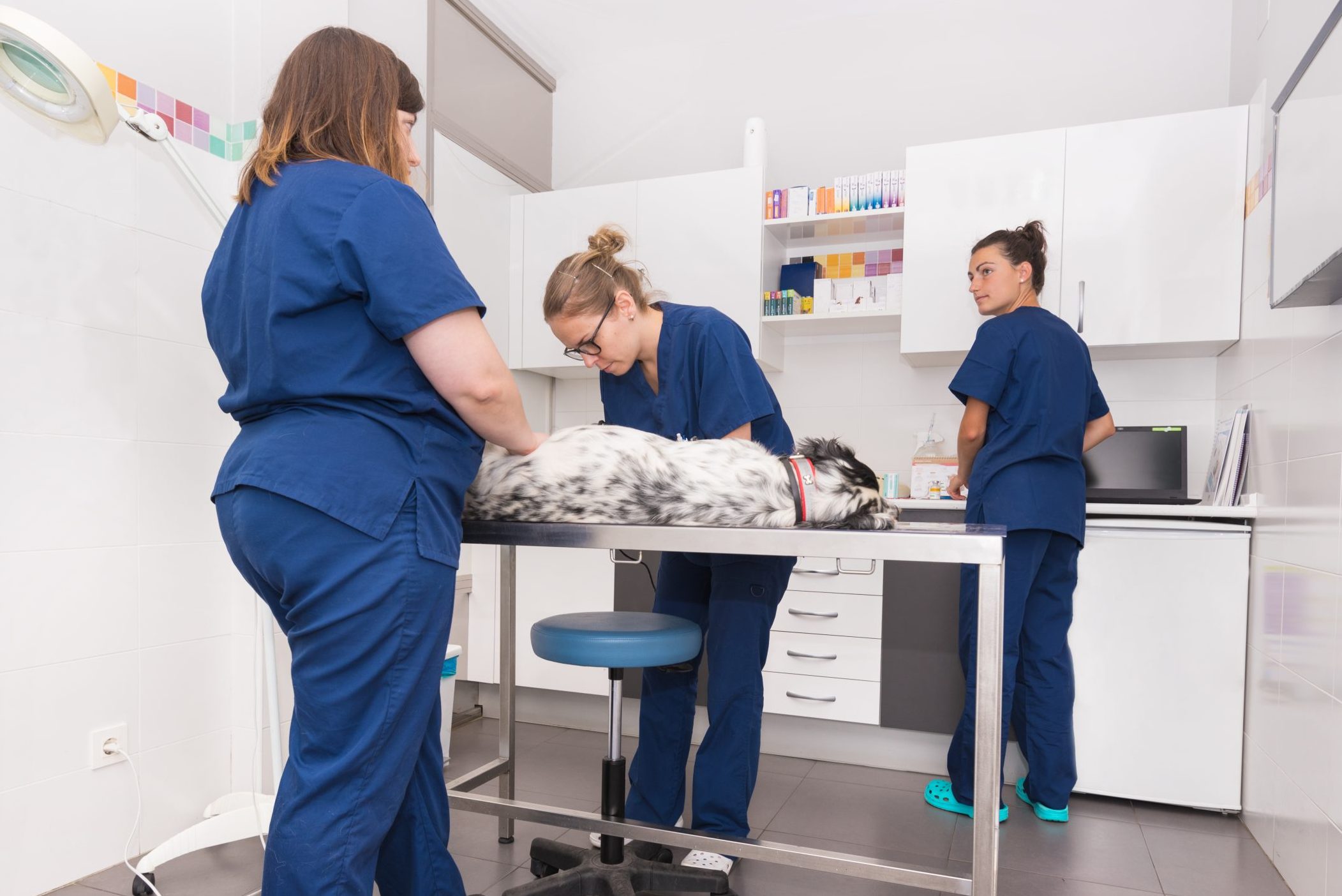
- 55% of credentialed veterinary technicians report that their clinical skills are underutilized, while 76% say staffing structures limit appointment availability.
- 36% of pet owners have delayed or skipped veterinary care, and 28% report appointment waits of three weeks or longer or an inability to secure an appointment.
- 57% of pet owners say they have increased spending on pet wellness products and services over the past year.
- 65% of pet owners have scheduled or would consider scheduling an appointment directly with a credentialed veterinary technician.
- 71% of veterinary technicians support tiered care models that include technician-led visits to improve access and affordability.
- Clinic culture, internal policies and veterinarian trust were identified as leading barriers to expanded technician responsibilities.
As veterinary practices face growing demand for services, new research suggests that better utilization of credentialed veterinary technicians could help address appointment availability, workforce retention and operational efficiency.
A report released October 22, 2026, by Penn Foster in partnership with The Harris Poll identifies a disconnect between increasing consumer demand for veterinary services and the clinical responsibilities assigned to credentialed veterinary technicians.
The findings indicate that access-to-care challenges may extend beyond staffing shortages, with practice management structures and workplace culture potentially limiting the contributions of existing veterinary team members.
Pet Owners Spending More but Facing Barriers to Care
According to the research, 57% of pet owners reported increasing their spending on pet wellness products and services during the previous year.
Despite that increased investment, 36% said they had delayed or skipped veterinary care entirely. Another 28% reported waiting at least three weeks for an appointment or being unable to secure one.
These findings suggest that consumer willingness to invest in pet health does not always translate into timely access to veterinary services.
The report identifies expanded use of credentialed veterinary technicians as one potential strategy for improving appointment availability without relying exclusively on hiring additional veterinarians.
More Than Half of Veterinary Technicians Report Underutilized Skills
Among credentialed veterinary technicians surveyed, 55% said their clinical skills were not being fully utilized, while 76% indicated that existing staffing structures create limitations on appointment capacity.
The research identified several internal obstacles to technicians practicing to the full extent of their education and training:
- 44% cited clinic cultures that primarily view technicians as assistants.
- 42% identified clinic policies and protocols.
- 38% pointed to veterinarian trust and comfort levels.
These barriers may also affect employee satisfaction and retention, particularly among technicians seeking greater clinical responsibility, professional autonomy and opportunities for career advancement.
Meghan Wells, DVM, MPH, an instructor in Penn Foster’s Veterinary Technology program, emphasized that expanding access to veterinary care requires more than increasing the number of professionals entering the workforce.
According to Wells, practices may be able to improve efficiency and strengthen veterinary teams by allowing credentialed technicians to apply more of their existing education and clinical training.
Pet Owners Express Support for Technician-Led Appointments
The research also found substantial consumer support for expanded veterinary technician responsibilities.
Seventy-seven percent of pet owners described credentialed veterinary technicians as extremely or very valuable.
Additionally, 65% said they had scheduled or would be interested in scheduling an appointment directly with a credentialed veterinary technician, even without seeing a veterinarian.
Among veterinary technicians, 71% supported tiered care models incorporating technician-led appointments as a strategy to improve affordability and access.
Technicians also expressed confidence in their qualifications to independently perform certain services, including:
- Vaccine administration and follow-up care: 80%
- Routine wellness examinations: 78%
- Client education and care planning: 69%
These percentages reflect technicians’ reported confidence in their qualifications, rather than authorization to perform services independently. Permitted duties and supervision requirements vary by state.
Expanded Technician Roles Could Support Retention and Practice Efficiency
The report highlights the potential relationship between technician utilization, employee retention and veterinary practice performance.
Credentialed technicians who have opportunities to apply advanced skills and assume greater responsibilities may experience improved professional satisfaction, while practices may benefit from more efficient allocation of clinical duties.
Elevated Veterinary Solutions, a New Jersey-based veterinary care group, was identified as an example of a practice organization investing in expanded technician responsibilities and compensation.
Torie Madore, CEO of Elevated Veterinary Solutions, said the organization has experienced operational and workforce benefits from providing credentialed technicians with greater responsibility.
The company maintains that investing in technician development and recognizing their clinical capabilities can help practices increase capacity while maintaining patient care standards.
Implications for Veterinary Practice Management
The findings suggest that improving access to veterinary care may require practices to evaluate how clinical responsibilities are distributed across veterinary teams.
Potential areas for consideration include technician-led appointment models, updated clinical protocols, expanded professional development and greater collaboration between veterinarians and credentialed technicians.
However, implementation would need to account for applicable state veterinary practice acts, supervision requirements and the scope of practice authorized for credentialed technicians.
For veterinary employers, the research points to technician utilization as a workforce strategy that may support both patient access and long-term employee retention.
Penn Foster, which provides veterinary technician education and works with employers to develop workforce training programs, positions the findings as evidence of an opportunity to better align technician education with clinical responsibilities.
Access the Full Research Report
The complete Penn Foster and Harris Poll research report, including additional findings on veterinary technician utilization, pet owner attitudes and access-to-care challenges, is available online.
Read the Full Penn Foster Veterinary Technician Research Report.
Information sourced from Penn Foster’s October 22, 2026, press release announcing research conducted in partnership with The Harris Poll.