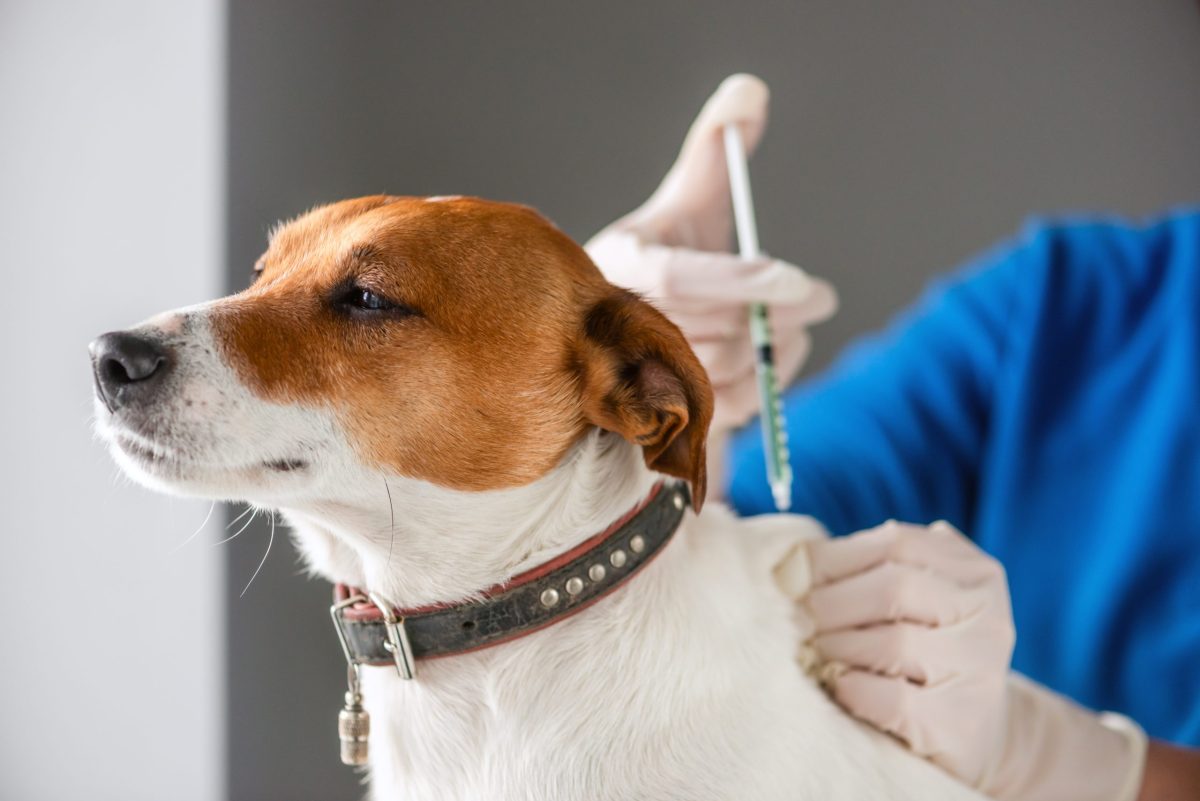
- The FDA has approved Convenia RTU for Dogs (cefovecin injectable suspension) for certain bacterial skin infections, including secondary superficial pyoderma, abscesses and wounds.
- A single veterinarian-administered injection provides up to 14 days of antibiotic treatment, eliminating the need for daily oral dosing during that period.
- The higher-concentration formulation delivers the same dose in a smaller injection volume, improving practicality for medium and large dogs.
- Convenia RTU is bioequivalent to the original Convenia formulation, which received FDA approval in 2008.
- Zoetis expects the new product to become available to veterinarians in the first quarter of 2027.
Zoetis has received approval from the U.S. Food and Drug Administration (FDA) for Convenia RTU for Dogs (cefovecin injectable suspension), expanding its portfolio of long-acting antibiotics for canine bacterial skin infections.
The new formulation provides up to 14 days of antibiotic treatment through a single subcutaneous injection administered by a veterinary professional. Its higher concentration allows veterinarians to deliver the same dose of cefovecin in a smaller volume than the original Convenia formulation, making injectable treatment more practical for dogs of all sizes, particularly medium and large breeds.
The approval addresses a common challenge in veterinary medicine: ensuring that pet owners administer oral antibiotics consistently and according to prescribed schedules.
Reducing the Burden of At-Home Antibiotic Administration
Bacterial skin infections, including pyoderma, are among the five most common reasons dogs visit veterinary clinics, according to Zoetis.
Treating these infections often requires oral antibiotics administered over several days or weeks. However, maintaining consistent dosing schedules can be difficult for pet owners, particularly when dogs resist medication or household routines interfere with administration.
Zoetis cited two canine studies in which only 27% of dog owners administered prescribed medications at the correct intervals during short-term antibiotic treatment.
By providing the full prescribed dose through a single veterinary-administered injection, Convenia RTU eliminates the need for repeated at-home dosing during its treatment period.
Abhay Nayak, executive vice president and president of U.S. commercial operations at Zoetis, said the new formulation builds on the established Convenia portfolio while expanding its practicality for dogs of different sizes.
Building on an Established Antibiotic Portfolio
Convenia RTU for Dogs is bioequivalent to the original Convenia (cefovecin sodium), which received FDA approval in 2008 for treating susceptible bacterial skin infections in dogs and cats.
According to Zoetis, the original product has accumulated 18 years of real-world clinical experience. The company also cited a study in which 86% of dogs required only one cefovecin injection to resolve their bacterial skin infections.
The company reported that more than 125 studies, including safety evaluations and microbiological isolate studies, supported the global registration of Convenia.
Unlike the original product, which is approved for both dogs and cats, Convenia RTU for Dogs is approved only for canine use and should not be administered to cats because of toxicity risk.
Antibiotic Adherence and Responsible Use
Medication adherence remains an important consideration in veterinary antimicrobial therapy. Missed or irregular doses of oral antibiotics may compromise treatment outcomes and potentially contribute to antimicrobial resistance.
Veterinary dermatologist Valerie A. Fadok, DVM, PhD, DACVD, emphasized that veterinarians may underestimate the challenges pet owners face in following antibiotic dosing schedules.
She noted that injectable antibiotic treatment, when medically appropriate, can ensure administration of the prescribed dose and eliminate the uncertainty associated with repeated at-home dosing.
However, antibiotic selection remains a clinical decision based on the suspected or confirmed pathogen, susceptibility, infection characteristics and principles of responsible antimicrobial use.
Indications and Safety Considerations
Convenia RTU for Dogs is indicated for the treatment of skin infections, including secondary superficial pyoderma, abscesses and wounds, caused by susceptible strains of Staphylococcus pseudintermedius and Streptococcus canis (Group G).
The medication is administered subcutaneously by a veterinary professional.
According to the product’s safety information, Convenia RTU should not be used in animals with a history of allergic reactions to penicillins or cephalosporins. Individuals with known hypersensitivity to these antibiotic classes should avoid exposure.
Reported adverse reactions include vomiting, diarrhea, decreased appetite or anorexia, and lethargy.
Convenia RTU for Dogs must not be used in cats because of the risk of toxicity.
Commercial Availability Expected in 2027
Zoetis expects Convenia RTU for Dogs to become available to U.S. veterinarians during the first quarter of 2027.
The product will join the company’s existing dermatology portfolio, providing another treatment option for veterinarians managing susceptible bacterial skin infections in canine patients.
The higher-concentration formulation may be particularly useful when treating larger dogs, where reducing injection volume can make long-acting antibiotic administration more practical.
Information sourced from the company’s press release.