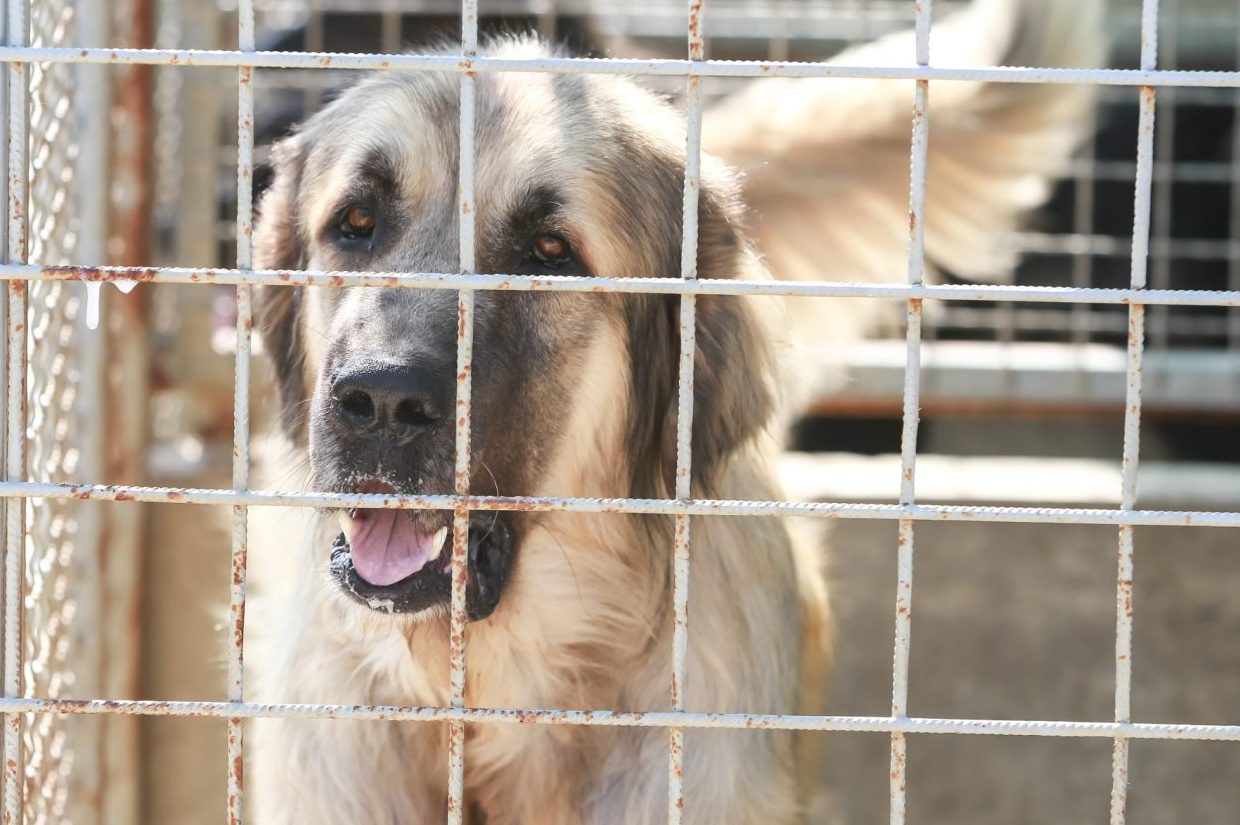
- A new Hill’s Pet Nutrition report finds large dogs stay longer in shelters and are adopted less frequently than smaller dogs.
- Large dogs accounted for 26% of shelter intakes in 2025 but represented the smallest share of adoptions.
- Only 35% of Americans say they are likely to adopt a large dog, though 19% remain undecided.
- Confidence in caring for large dogs is a major factor influencing adoption decisions.
- Financial incentives such as lower adoption fees, training support, and assistance with initial costs could significantly increase large-dog adoption.
- Younger generations show greater interest in adopting large dogs but face housing and rental restrictions.
Hill’s Pet Nutrition has released a new report highlighting the adoption challenges facing large dogs in shelters across the United States.
The 2026 State of Shelter Pet Adoption Report: Spotlight on Large Dogs examines barriers that contribute to longer shelter stays and lower adoption rates for larger breeds. The report comes as animal shelters nationwide continue to face capacity pressures.
According to data from Shelter Animals Count, approximately 2.8 million dogs entered U.S. shelters in 2025. While large dogs accounted for 26 percent of those intakes, they experienced the longest median lengths of stay and represented the smallest share of total adoptions compared with medium and small dogs.
Hill’s says the report was designed to better understand the reasons behind stagnant adoption rates and to provide actionable insights for shelters and animal welfare organizations.
Confidence and Cost Concerns Influence Adoption Decisions
The report draws on results from a survey of 2,000 Americans representing diverse socioeconomic backgrounds.
One of the strongest predictors of adoption interest is confidence in handling and caring for a large dog. Among respondents who said they would consider adopting a large dog, 89 percent reported feeling confident in their ability to care for one. That confidence drops to 33 percent among those unlikely to adopt.
Financial considerations also play a major role in adoption decisions. Survey respondents indicated that lower adoption fees, free or discounted training, and financial support for initial pet care expenses could significantly increase interest in adopting larger dogs.
Younger Generations Show Interest but Face Housing Barriers
The report also found that younger adults are more likely to consider adopting large dogs. About 30 percent of Gen Z and Millennials said they would consider adopting a large dog, compared with 16 percent of Gen X and Baby Boomers.
However, these younger groups are also more likely to rent housing or live in apartments where pet-related restrictions may limit the ability to adopt larger breeds.
Animal welfare leaders say understanding these barriers is critical to improving adoption outcomes.
Jim Tedford, president and CEO of The Association for Animal Welfare Advancement, said the findings provide valuable data for shelters seeking to address adoption challenges.
He noted that the issue affects shelters nationwide and requires coordinated efforts to improve outcomes for animals awaiting homes.
Ongoing Support for Shelter Animals
Hill’s launched the State of Shelter Pet Adoption Report series in 2023 as part of its broader commitment to reducing pet homelessness. The 2026 edition is the first to focus on a specific population of shelter animals.
Through its Hill’s Food, Shelter & Love program, the company provides pet food to shelters to help animals remain healthy and adoptable while awaiting placement.
Since 2002, the initiative has supported more than 16 million pet adoptions and provided more than $300 million worth of pet food to animal shelters.
Hill’s Pet Nutrition, founded more than 75 years ago, develops science-based nutrition products for dogs and cats and works with veterinarians and animal welfare organizations worldwide.
Information sourced from the company’s press release.