- Global dairy market projected to reach $1.52 trillion by 2032, growing at 6.1% CAGR
- Major productivity gaps exist between developed and emerging dairy regions
- Only ~5% of global milk production is traded internationally, shaping regional dynamics
- Value-added products like whey protein and infant formula drive higher margins
- Technology adoption is transforming dairy farming into a data-driven industry
- Rising demand in Asia and emerging markets expected to reshape global trade flows
The global dairy industry is undergoing significant transformation as rising protein demand, regional productivity disparities, and evolving consumer preferences reshape the market landscape, according to new analysis from Maximize Market Research.
The global dairy product market was valued at approximately $1.01 trillion in 2025 and is projected to reach nearly $1.52 trillion by 2032, reflecting a compound annual growth rate of 6.12%.
Productivity gaps define global supply dynamics
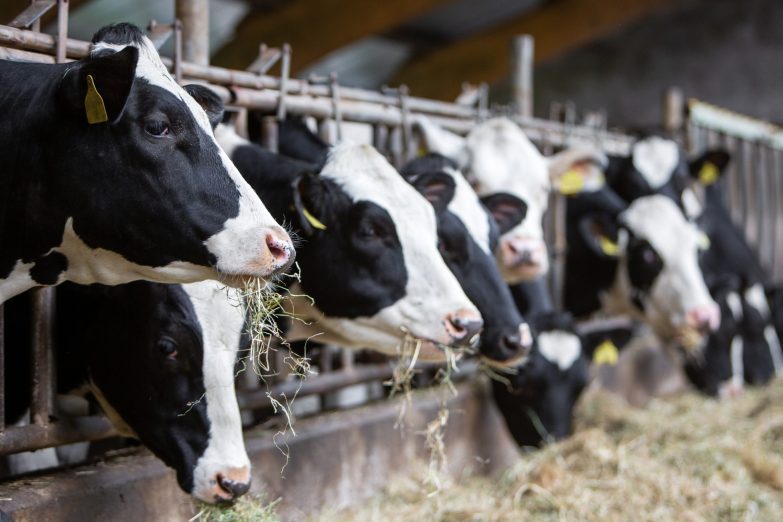
One of the most defining characteristics of the dairy sector is the wide productivity gap between regions. In advanced markets such as the United States and European Union, dairy cows can produce between 7,000 and 11,000 liters of milk annually, supported by optimized feed, genetics, and farm automation.
In contrast, production levels in emerging markets such as India remain significantly lower, highlighting a major opportunity for growth through improved efficiency, technology adoption, and herd management.
Trade imbalances reshaping global flows
Despite producing roughly 800 billion liters of milk annually, only about 5% of global production is traded internationally. This creates strong regional supply-demand imbalances that heavily influence pricing and trade strategies.
Exports are concentrated among a few key regions, including the European Union, New Zealand, and the United States, while demand is rapidly increasing in markets such as China, Southeast Asia, and the Middle East.
China in particular is expected to remain a major driver of global dairy demand due to rising incomes and consumption of premium dairy products.
Shift toward high-value dairy products
The industry is increasingly moving beyond raw milk toward higher-margin, value-added products. Segments such as cheese, whey protein, infant formula, and functional dairy products generate significantly greater returns compared to fluid milk.
This shift is driving major dairy companies to expand into nutrition-focused categories, where processing innovation and branding play a larger role in profitability.
Technology transforming dairy operations
Technological innovation is accelerating across the dairy value chain. Modern farms are adopting robotic milking systems, artificial intelligence-driven herd monitoring, and precision livestock analytics to optimize production and animal health.
In advanced operations, hundreds of data points per animal are tracked daily, signaling a shift toward highly efficient, data-driven dairy farming systems.
Consumer trends and sustainability pressures
Changing consumer preferences are also influencing the market, with increased demand for high-protein diets, transparency in ingredients, and functional nutrition products.
At the same time, the industry faces growing pressure from plant-based alternatives, sustainability concerns related to emissions and resource use, and volatility in feed costs.
Outlook for the dairy sector
As the global population approaches 10 billion by 2050, demand for high-quality protein is expected to continue rising. Dairy products are likely to remain a key source of essential nutrients, but future growth will depend on innovation, efficiency, and global supply chain resilience.
Companies that successfully combine advanced production systems, value-added product development, and strong global distribution networks are expected to capture the greatest share of future market growth.
Information sourced from the company’s press release.